Exploring the Significance of Nakshatras in Vedic Astrology
Understanding Nakshatras
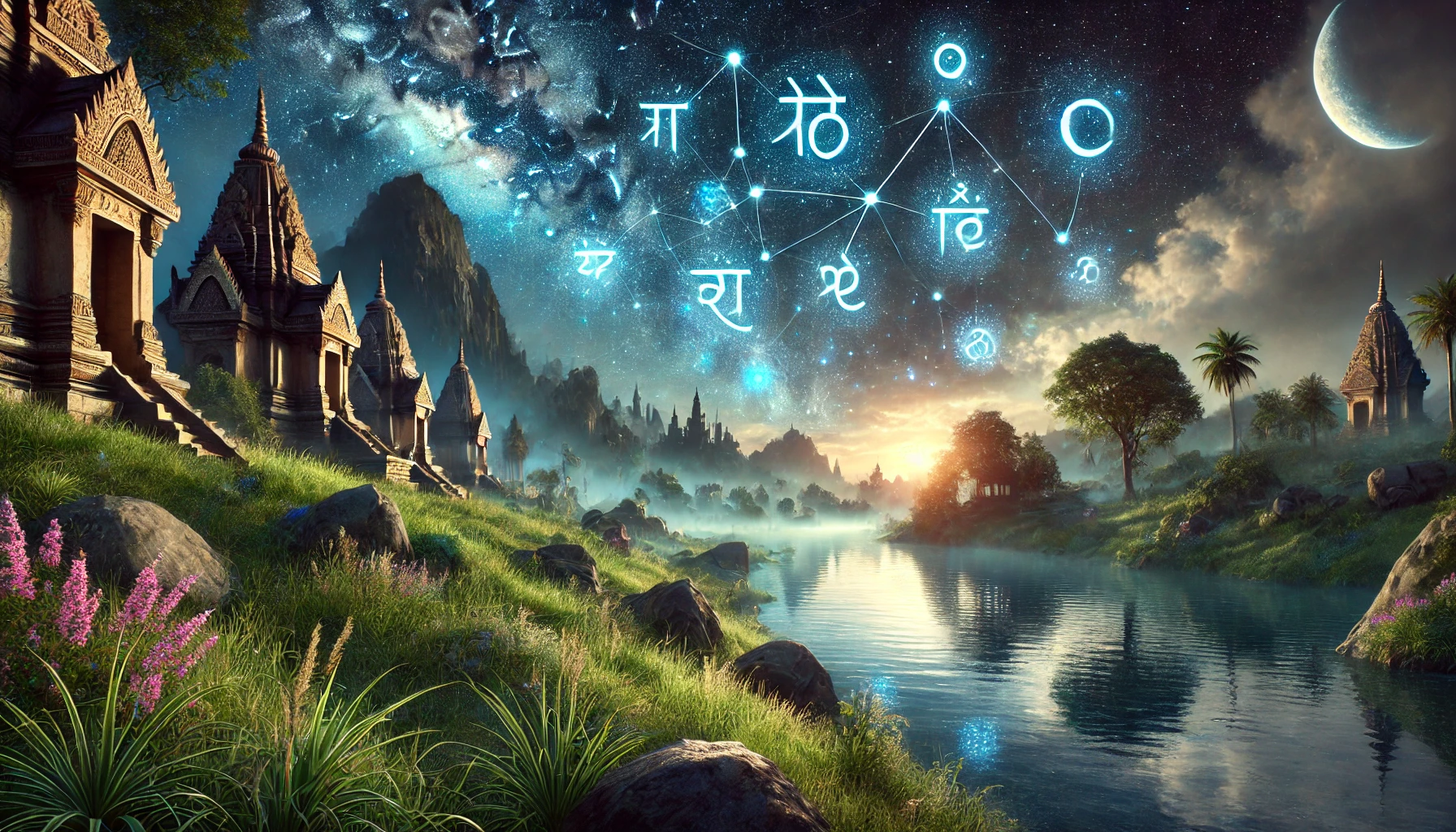
In Vedic Astrology, Nakshatras, also known as lunar mansions, play a crucial role in charting an individual’s destiny. There are 27 Nakshatras, each spanning 13 degrees and 20 minutes of the celestial sphere. These Nakshatras are divided into four quarters, or padas, and are associated with specific stars, myths, and deities.
Historical Context
The concept of Nakshatras dates back to the earliest Vedic texts, such as the Rigveda, where references to these lunar mansions can be found. Ancient seers meticulously observed the night sky and noted the regular movements of the moon through these Nakshatras. They believed that the moon’s position at the time of a person’s birth could significantly influence their life and personality.
The Role of Nakshatras in a Birth Chart
Each Nakshatra has its unique characteristics and influence on different aspects of life. The moon’s placement in a Nakshatra at the time of birth determines the individual’s personality traits, emotional tendencies, and life path. Additionally, each Nakshatra is ruled by a planet, adding another layer of influence.
For instance, Ashwini Nakshatra, ruled by Ketu, is known for its swift and pioneering nature. People born under this Nakshatra are often seen as energetic, ambitious, and inclined towards new beginnings. In contrast, Bharani Nakshatra, ruled by Venus, is associated with creativity, passion, and a strong sense of responsibility.
Nakshatras and Career Choices
Understanding the influence of Nakshatras can provide valuable insights into an individual’s career choices and professional inclinations. For example, individuals born under the Chitra Nakshatra, known for its association with artistic and creative talents, might excel in fields such as design, arts, and architecture. On the other hand, those born under the Rohini Nakshatra, ruled by the moon, often possess nurturing qualities, making them well-suited for careers in caregiving, hospitality, and food-related industries.
Compatibility and Relationships
Nakshatras also play a significant role in determining compatibility in relationships. Vedic astrologers use a system called “Nakshatra matching” or “Koota matching” to assess the compatibility between potential partners. This system evaluates various aspects, such as emotional compatibility, mutual respect, and physical attraction, to determine the likelihood of a harmonious relationship.
For instance, if one partner is born under the Rohini Nakshatra and the other under the Mrigashira Nakshatra, their relationship might be characterized by mutual understanding and emotional support, as both Nakshatras are ruled by the moon.
Remedies and Rituals
Vedic Astrology also provides remedies and rituals to mitigate the adverse effects of certain Nakshatras. These remedies can include chanting specific mantras, wearing gemstones associated with the ruling planet of the Nakshatra, or performing rituals on auspicious days. Such practices aim to harmonize the individual’s energies with the cosmic forces, promoting well-being and success.
Conclusion
The significance of Nakshatras in Vedic Astrology is profound, offering deep insights into various aspects of life, from personality traits and career choices to relationships and spiritual growth. By understanding the influence of these lunar mansions, individuals can navigate their lives with greater clarity and purpose, aligning themselves with the cosmic rhythm.